Nutrition and Hydration Week 16 - 22 March 2026
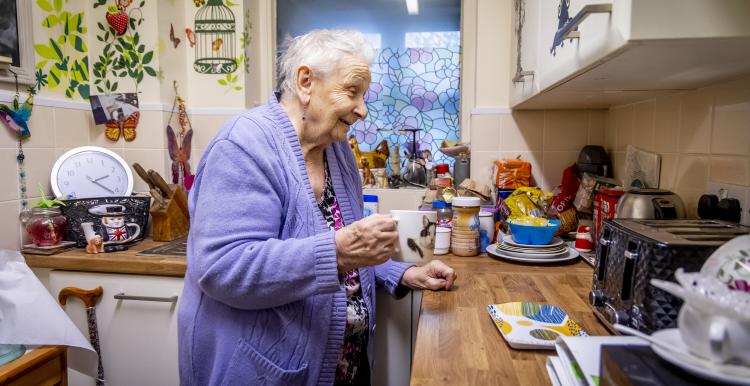
Malnutrition in older people commonly means being underweight and/or undernourished. Eating a balanced and nutritious diet with plenty of food rich in fats and protein can prevent further weight loss, and ensure we get the nutrients and energy we need in our bodies. Unintentional weight loss can be a sign of malnutrition.
How to spot the signs
- Brittle and thin hair
- Loss of appetite
- Jewellery such as rings and bracelets are loose
- Clothing is looser, especially around waists and collars
- Cupboards are empty or foods are out of date
- Joint and bone pain
- Becoming ill more often and recover very slowly
- Seeming more tired and lethargic
- Dentures and glasses no longer fit
Helping a person to drink enough
People with dementia can experience problems with drinking.
Placing a drink in front of someone doesn’t always mean they will drink it. Also, an
empty cup doesn’t always mean that the person has nished the drink. It may have
been spilt, drunk by someone else, or poured away.
It’s important to look out for signs of dehydration. This can include:
- a dry mouth or lips
- feeling dizzy or lightheaded
- needing the toilet less than usual
- dark or strong-smelling pee
Tips to help a person stay hydrated
- Encourage the person to drink throughout the day. The recommended amount is between 6 and 8 cups or glasses of fluid a day. Other different types of drinks throughout the day such as tea, coffee, hot and cold milky drinks, fruit juice or smoothies, soup, squash and water.
- Give the person a drink whenever they are eating.
- Use a clear glass so the person can see what’s inside or try a brightly coloured cup to draw attention instead.
- If possible, give the person the cup or put it where they can see it clearly. Give them a straw if this makes drinking easier.
- Make sure the cup or glass is suitable – not too heavy or a difficult shape to hold.
- Encourage the person to eat foods that have a high liquid content, such as gravy, ice lollies, milk jellies and yogurt.
- Try using sweets called Jelly Drops®, which can help people with dementia to take in more water.
HILS meals on wheels
HILS meals on wheels provides an excellent solution to help combat the dangers associated with dehydration and malnutrition through our daily hot meal provision.
On delivery, the Community Team Members carry out a caring wellbeing check and offer the client a glass of water to help encourage them to drink. Every meal is carefully created by our food supplier, apetito, who’s in-house chefs and dieticians ensure that all their meals are nutritionally balanced to support a healthy diet.
As well as the wide range of lunch options, HILS also offer Tea Packs for clients purchasing a main meal at lunchtime which includes a sandwich, a piece of cake and a piece of fruit. These are delivered at the same time as their hot lunch time meal and are placed in their refrigerator to enjoy later.
HILS - Stay hydrated, stay healthy tips
Contact HILS on: 0330 2000 103 or visit www.hils-uk.org