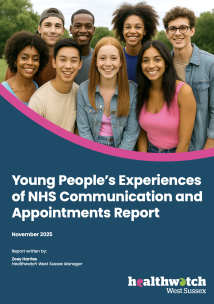
Young People’s Experiences of NHS Communication and Appointments Report
The aim of this work was to better understand the communication and access challenges, and how these can be improved by the NHS staff who engage with young people with additional needs.
Purpose
The project aimed to:
- Understand communication and access barriers faced by young people with additional needs
- Explore how these challenges are amplified for young people from Black and global majority communities
- Develop practical, evidence-based recommendations to improve NHS communication, inclusion, and care experiences
Methodology
- A co-designed survey open from June - October 2025
- Targeted engagement with young people from under-represented groups
- Feedback was gathered through a range of accessible methods: emails, online Teams calls, in-person interviews, and workshops-based on individual preferences and needs
- Follow-up interviews with 12 young people to deepen insight
Key Findings
Communication and Understanding
- Many young people struggle with medical jargon, fast speech, and unclear explanations
- 50% said they benefit from having someone else with them to help them talk or understand when communicating with NHS.
- Easy Read materials, visuals, written notes, and plain language significantly improve understanding
Feeling Heard and Treated Fairly
- Over 60% reported feeling treated differently or unfairly due to disability, illness, or how they communicate
- Some young people felt ignored, rushed, infantilised, or spoken about rather than spoken to
- Discriminatory remarks (in 2 cases, related to race or disability)
Access to Care
- 75% found it hard to get NHS care when needed.
- Main barriers included long waiting times, difficulty booking appointments, and staff not understanding individual needs
Environment and Consistency
- Noisy, bright, busy environments increased distress and reduced ability to communicate
- Young people strongly valued:
- Quiet or sensory-friendly spaces
- Longer appointments
- Seeing the same staff to build trust and rapport
Positive Practice
- When staff were patient, kind, and took time to explain and check understanding, young people reported feeling safe, respected, and empowered
Key Recommendations
- Adopt Inclusive Communication Practices
- Use Easy Read formats, visuals, and plain language
- Avoid jargon and acronyms
- Actively check understanding
- Train Staff in Neurodiverse & Culturally Sensitive Communication
- Utilise learning hub NHS training and resources.
- Ensure front-line staff are trained to recognise different communication needs
- Address unconscious bias and improve cultural awareness
- Equip staff to communicate with warmth and emotional sensitivity
- Design Accessible Appointment Environments
- Offer quiet spaces, more time per patient, and consistency of staff
- Reduce environmental stressors like noise and lighting
- Empower Young People in Conversations About Their Care
- Always speak directly to the young person before involving carers
- Ask for and respect their preferred methods of communication
- Improve Awareness of Rights and Services
- Provide young people with information about:
- Their right to accessible communication
- What support tools are available (e.g. interpreters, advocates, Easy Read materials)
Conclusion
The findings highlights both the struggles and the potential for improved, more personalised communication within NHS services.
Small changes in tone, time, and tools can significantly impact how safe, respected, and empowered young people feel when accessing care.
By adopting inclusive communication practices, training staff in neurodiverse and culturally sensitive approaches, and creating more accessible environments, healthcare settings can become more welcoming and responsive to individual needs.
Empowering young people to take an active role in conversations about their care helps build trust, confidence, and independence, while greater awareness of rights and available support ensures that no one is left disadvantage.